
Overnight Contact Lenses for Myopia Control
Ortho-k lenses work while your child sleeps, helping them see clearly during the day and slowing myopia progression.
At Lumen Eye, we’ll help you understand whether overnight lenses suit your child’s eyes and daily routine, with guidance on lens care and regular visits to monitor their progress.


What is Orthokeratology?
Orthokeratology, or ortho-k, uses specially fitted contact lenses to temporarily reshape the cornea, the clear front surface of the eye. Your child puts the lenses in before bed and removes them after waking.
These rigid gas-permeable lenses allow oxygen to pass through the material. As they gently flatten the central cornea overnight, they change how light focuses inside the eye, improving distance vision after the lenses are removed.
The effect is temporary. Following the prescribed wearing schedule helps maintain daytime clarity.
How Can Ortho-K Lenses Benefit Children?
Many children can see clearly at school, during sports, and throughout other activities without wearing corrective lenses during the day. This can appeal to children who find glasses inconvenient during active play.
Helping Slow Myopia Progression
Ortho-k can slow the excessive eye growth associated with worsening nearsightedness. The goal is to limit how much myopia develops as your child grows.
Vision Correction Without Surgery
Ortho-k provides a nonsurgical way to correct nearsightedness. The cornea gradually returns toward its previous shape when treatment stops, so ongoing lens wear is needed to maintain the correction.
If another approach would suit your child better, we can explain the other options available at Lumen Eye.
Getting Started With Ortho-K Lenses
We assess your child’s vision and eye health and evaluate the shape of their corneas. These measurements guide lens selection and help us determine whether ortho-k is appropriate.
Help With the Home Routine
You’ll receive instructions for inserting, removing, cleaning, and storing the lenses. We will also explain the wearing schedule and what to expect as your child’s vision adjusts.
Follow-Up Care as Your Child Grows
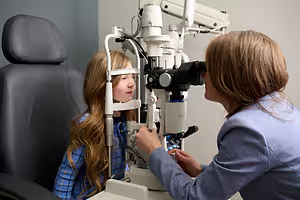
Return visits let us check daytime vision, lens fit, and corneal health. We also use axial length measurements, which track the distance from the front to the back of the eye, to monitor eye growth and guide myopia care.

Orthokeratology FAQs
Is It Comfortable to Sleep in Overnight Contact Lenses?
Your child may feel the lenses when they first put them in, especially while blinking. Lens awareness often decreases as they adjust. Let us know if discomfort affects their sleep or continues rather than improving.
Will My Child Still Need Glasses or Contacts?
Many children do not need daytime correction once treatment is established. Some need supplemental glasses or contacts during the adjustment period or if their vision is not fully corrected.
How Quickly Does Vision Improve?
Some children notice improvement within the first few days. It can take two weeks or longer to reach the full correction, and lens adjustments may be needed. Your child’s prescription and response to treatment affect the timeline.
Children’s Myopia Care in Urbandale
Considering ortho-k for your child? Meet with our eye doctors at Lumen Eye to discuss the potential benefits, lens care routine, and next steps.